About
Engineer. Builder. Faith-driven problem solver.
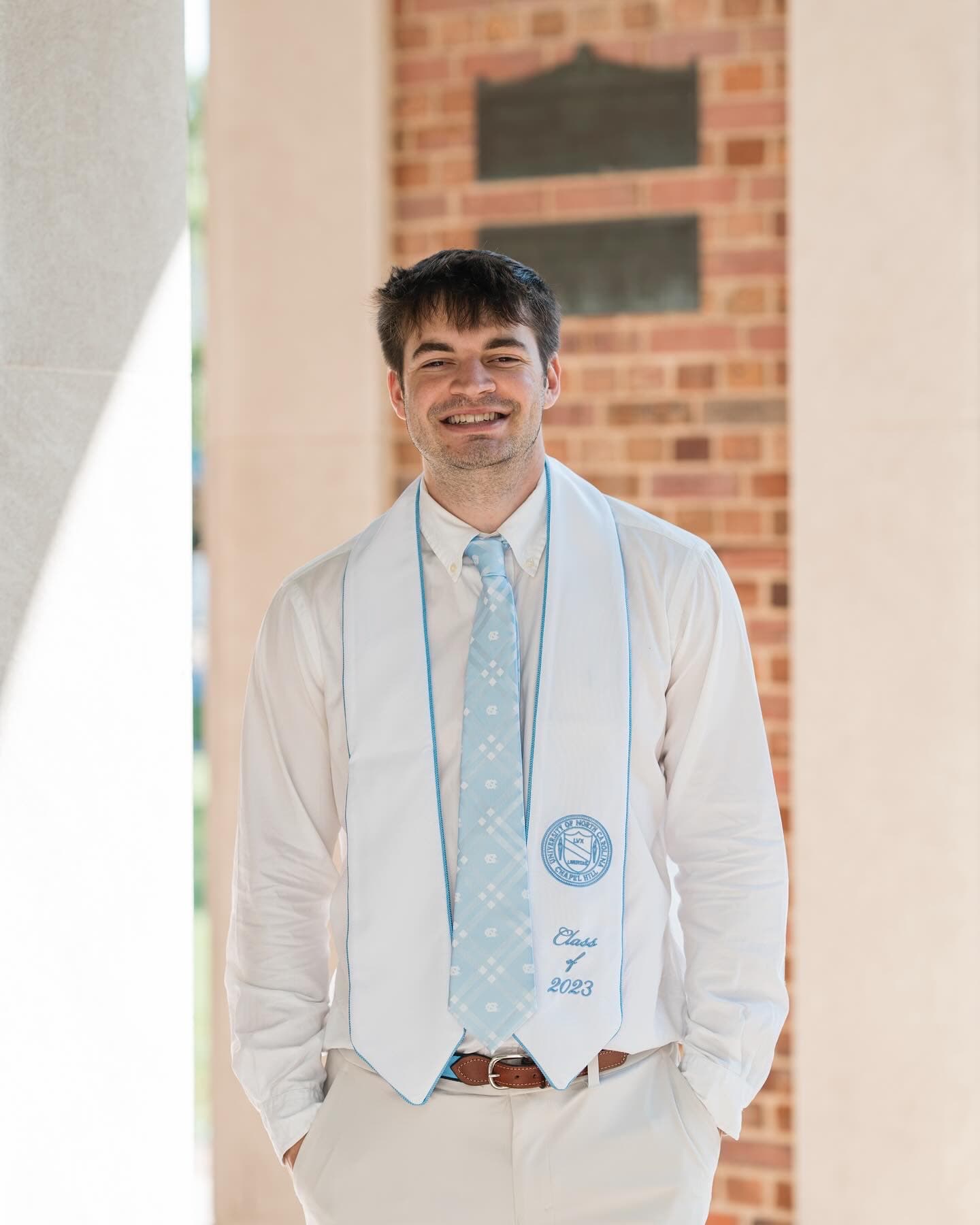
Bio
I'm Cameron, a software engineer based in North Carolina focused on building thoughtful software, intelligent systems, and tools that solve real problems.
I care deeply about technology, faith, and the process of building things well. This is a look into the work, the mindset behind it, and the path that brought me here.
The Story
How I got here.
The first thing I ever built was a calculator in a high school programming class. Nothing fancy — add, subtract, multiply, divide (and even some trig too) — but I remember the moment it actually worked, watching something I'd written respond to input I gave it. That was the hook. It wasn't the math or even the code itself; it was the realization that I could describe a behavior in text and a machine would do it. I didn't have a grand plan after that, but I knew I wanted more of that feeling: thinking through a problem, writing it out, and seeing it run.
I tried physics and chemistry in college before landing on computer science — I liked the science, but I wanted more of the builder side, and code gave me that. Classes, internships, and on-the-job work filled in the rest. I worked my way into Python and automation, writing scripts and tools that took manual processes and made them disappear. The turning point came during an internship hackathon where I built a proof-of-concept using LLMs for data security — my first time treating an AI model as a real building block instead of a novelty. After that, I stopped seeing AI as something you bolt onto a finished product and started seeing it as part of the architecture itself.
Now most of what I build sits at that intersection — Python and AWS on the backend, React and Swift on the front, with AI woven in where it actually moves the work forward. My daily toolkit leans heavy on AI-assisted development, treating the model as a real part of the build process rather than an autocomplete. The throughline hasn't changed since the calculator: take a real problem, describe it in code, and ship something that works. The tools have gotten sharper. The standard for what “useful” means has gone up. That's the work I want to keep doing.
Foundation
What I'm built on.
My faith is the foundation under all of it. I'm a follower of Jesus, and honestly that shapes how I think about the work more than anything else — what it's for, where it fits, and why it actually matters. At the end of the day, the code, the products, the wins — none of that is what I'm ultimately building for. That perspective keeps things in their right place. I can care a lot about what I'm building without making it the thing my identity rests on.
Colossians 3:23 — “Whatever you do, work heartily, as for the Lord and not for men” — is the line I keep coming back to. That's the standard. Do the work, do it well, and remember who it's actually for.
Off The Clock
What else.
Like I said, I'm a follower of Jesus, and I've got a real interest in going deeper into theology and biblical history. Authentic interests, not just Sunday-morning ones.
Outside of that, I lift and exercise consistently — staying healthy and stewarding my body well is something I take seriously. I also love messing around in the kitchen, whether that's trying new recipes, grilling, getting after it on the Blackstone, or making sauces from scratch. Movies and shows are a big one for me too — Marvel and Star Wars are the franchises I'll always come back to. And on the sports side, I'm all-in on UNC and the Carolina Panthers.
What's Next
Building toward.
I'm building toward a mix of doing the work I love and making things that actually help people. I don't want to be locked into one lane — I want to be working across a few. AI-integrated products. Automation and tooling that solves real problems for real businesses. The trading and finance side. Mobile apps that people actually use. In two or three years, I want to be running my own stuff, but also still building with strong teams when the project calls for it. The shape matters less than the substance: real problems, real solutions, work that has weight to it.
The part that pulls me toward all of this is pretty simple — solo builders can now do what used to take a whole team. AI changed the math on that. One person with the right tools and the right thinking can ship things that would've been impossible a few years ago, and most people haven't caught up to what that actually means yet. I want to prove it. Not in a theoretical way — by building.